
Understanding the Importance of Spring Tension for a Safe and Efficient System
When it comes to ensuring the safety and efficiency of your garage door, one element often overlooked is the tension in the springs. Proper spring tension plays a crucial role in the overall performance of the door system. Without the right tension, your garage door might not open or close as smoothly as it should, leading to potential safety hazards. In this article, we will explore how maintaining the correct spring tension can prevent accidents and improve the lifespan of your garage door components.
The Basics of Garage Door Springs
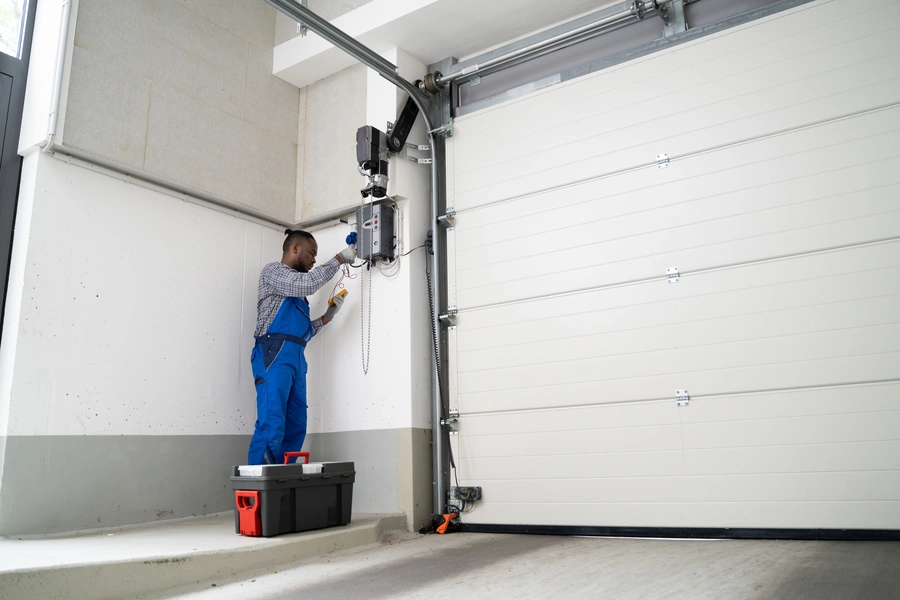
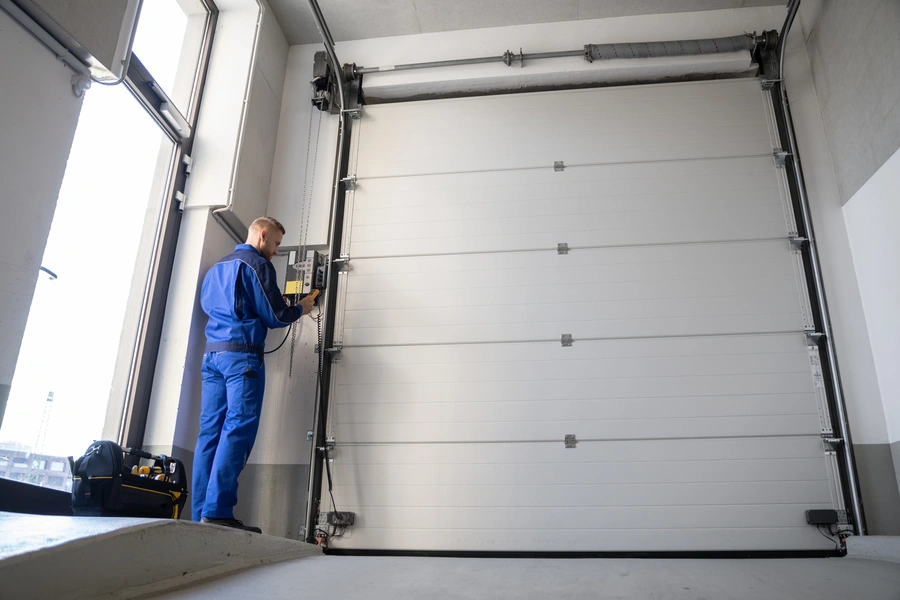
Garage door springs are responsible for bearing most of the door’s weight, allowing it to open and close with ease. There are two main types: torsion springs and extension springs. Torsion springs are mounted horizontally above the garage door opening, while extension springs run along the sides. Each type requires proper maintenance to ensure they function correctly within the broader scope of garage door maintenance.
Impact on Performance and Safety
The performance of your garage door heavily relies on balanced spring tension. If the tension is too high or too low, it can cause operational issues. This imbalance may lead to unexpected door movements, posing a danger to anyone nearby. Regular checks during garage door maintenance help identify any tension discrepancies, ensuring smoother operation and enhanced safety.
Signs of Incorrect Spring Tension
There are several signs indicating that your garage door springs may need adjustment:
- The door doesn’t open or close evenly.
- You notice loud noises during operation.
- The door opens very slowly or too quickly.
- The door does not stay in place when stopped halfway.
Adjusting Spring Tension: A Step-by-Step Guide
If you suspect an issue with spring tension, here’s a general guide you can follow:
- Ensure you have the necessary tools, such as winding bars for torsion springs or pliers for extension springs.
- Disconnect the power supply to avoid accidental activation.
- For torsion springs, use winding bars to adjust tension by turning them counterclockwise to decrease tension or clockwise to increase it.
- For extension springs, relocate the hook attached to the ceiling to change tension levels.
- Test the door balance by manually lifting it; make sure it stays midway without falling or rising.
- Reconnect the power and perform a test run to ensure smooth operation.
Benefits of Maintaining Correct Spring Tension
Properly maintained spring tension ensures multiple advantages:
- Smoother and quieter garage door operation.
- Reduced wear and tear on other parts like cables and openers.
- Increased lifespan of your entire garage door system.
- Enhanced safety for users and property around the garage area.
Cost Considerations for Spring Adjustment
While some might attempt DIY adjustments, hiring professionals can be more cost-effective long-term. Professional services provide precise adjustments and reduce risks associated with improper handling. The investment ensures your garage door operates efficiently and safely over time, minimizing repair costs down the line.
Your Trusted Partner for Garage Door Services
At JD Garage Door, we specialize in providing comprehensive solutions for all your garage door needs. Contact us at (760) 356-5133 for expert support and services. We proudly serve clients throughout Holtville, CA, delivering quality and reliability in every job we undertake.